How Dental Bonding Fixes Chips and Small Gaps
- Orangewood Family
- Feb 17
- 4 min read

Small chips and gaps can change how your smile looks. The good news is that cosmetic dental bonding is a fast and simple way to fix them. It can restore shape, close spaces, and improve color in just one visit.
If you are in Phoenix and dealing with a chipped or uneven tooth, this guide will help you understand how bonding works and when it makes sense to see a cosmetic dentist phoenix az patients trust.
What Is Dental Bonding and Who Is It For?
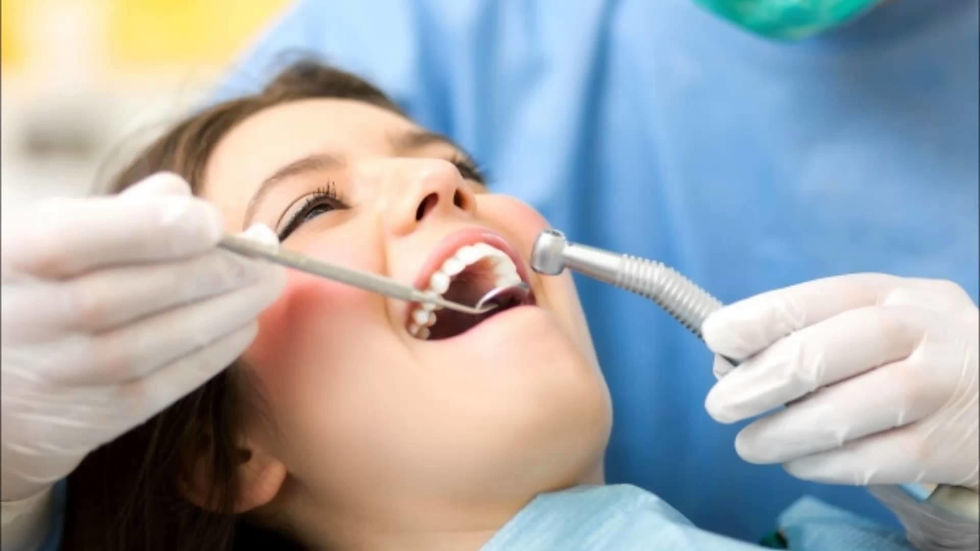
Cosmetic dental bonding is a treatment that uses tooth colored resin to repair minor damage. The dentist shapes the material onto your tooth and hardens it with a special light. Once polished, it blends in with your natural enamel.
Bonding is best for:
Small chips from biting hard foods
Minor cracks
Small gaps between teeth
Slightly uneven tooth edges
Areas of discoloration
It is not meant for major structural damage. In those cases, crowns or veneers may be better.
Many people searching for dental bonding near me want a quick cosmetic fix without surgery. Bonding is one of the least invasive options in phoenix az cosmetic dentistry.
Why Fixing Small Chips and Gaps Matters
Small flaws may seem minor, but they can lead to bigger issues.
A chipped tooth can:
Catch food and plaque
Feel rough on the tongue
Become weaker over time
Small gaps can:
Trap debris
Affect how you pronounce certain words
Make your smile feel uneven
If the chip happens suddenly and causes pain, you may need an emergency dentist phoenix or emergency dentist in phoenix right away. But if the damage is cosmetic only, bonding is often the solution.
A smile makeover dentist may also include bonding as part of a larger treatment plan. For example, bonding can be paired with whitening trays teeth whitening systems to brighten your overall look.
How Dental Bonding Works Step by Step
Dental bonding is simple and usually completed in one visit.
Here is what happens:
Color matching The dentist selects a resin shade that matches your natural tooth.
Tooth preparation The surface is gently roughened. This helps the bonding . material stick.
Application The resin is placed and shaped carefully.
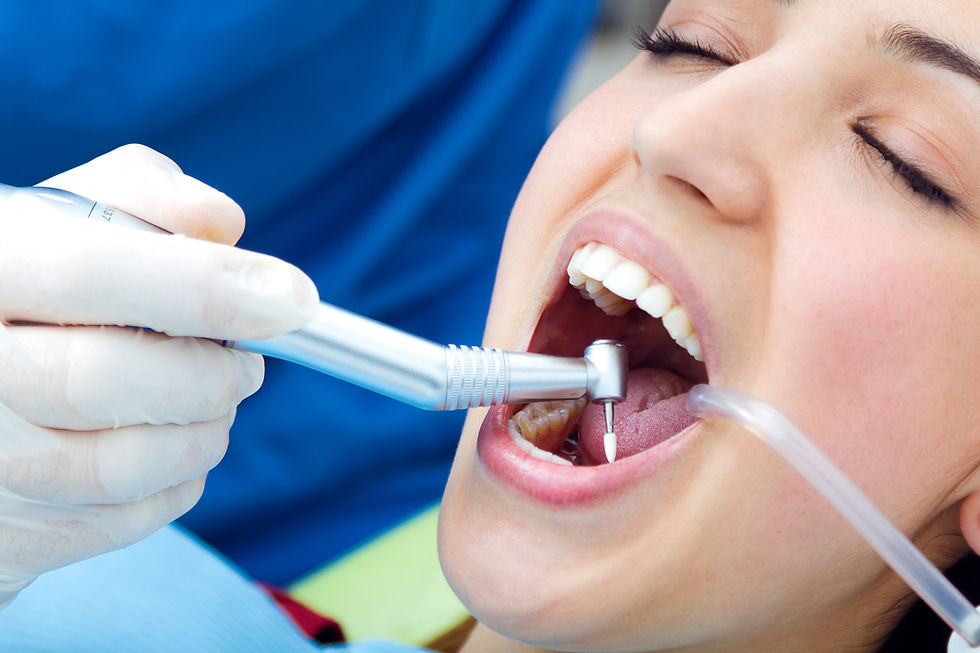
Curing A special light hardens the material in seconds.
Shaping and polishing The tooth is smoothed and polished for a natural finish.
Most patients do not need anesthesia unless the chip is deep.
If you are already working with a family dentist phoenix az residents rely on, ask whether they offer cosmetic dental bonding as part of their services.
How to Know If Bonding Is the Right Choice
Dental bonding is ideal for:
Minor cosmetic flaws
Patients who want a lower cost option
People who prefer minimal enamel removal
Quick fixes before events
It may not be ideal if:
You grind your teeth heavily
The damage is large
You want a dramatic shape change
For bigger transformations, a smile makeover dentist near me search may lead you to providers who offer veneers, crowns, or full smile design services.
The best dentist for smile makeover cases will evaluate your bite, enamel strength, and long term goals before recommending bonding.
Bonding vs Other Cosmetic Options
Bonding is often compared to veneers and whitening.
Here is how it differs:
Bonding
One visit
Lower cost
Best for small flaws
Veneers
Custom porcelain shells
Longer lasting
Better for major reshaping
Teeth whitening trays
Brighten color only
Do not fix chips or gaps
Sometimes, whitening trays teeth whitening treatments are done first. Then bonding is matched to the brighter shade. This approach is common in phoenix az cosmetic dentistry plans.
Common Myths About Dental Bonding
Myth 1: Bonding looks fake Modern materials blend very well. When done properly, it looks natural.
Myth 2: It damages your tooth Very little enamel is removed. It is one of the most conservative cosmetic treatments.
Myth 3: It lasts forever Bonding typically lasts several years. It may need touch ups over time.
If bonding chips or breaks, an emergency dentist phoenix az patients trust can often repair it quickly.
Real World Examples
Here are common situations where bonding helps:
A front tooth chipped during sports
A small gap between two front teeth
Uneven edges after braces
Slight discoloration that whitening could not fix
In many cases, bonding is part of a larger smile makeover dentist plan. It can be combined with contouring, whitening, or other cosmetic dentist phoenix az treatments for balanced results.
How to Care for Bonded Teeth
Bonding requires simple care:
Brush twice daily
Floss once daily
Avoid biting ice or hard candy
Limit coffee and red wine
Regular dental visits are important. A family dentist phoenix az office can monitor the bonding and polish it if needed.
If you experience sudden pain or damage, contact an emergency dentist in phoenix for evaluation.
Frequently Asked Questions
How long does dental bonding last?
Most bonding lasts three to ten years. Longevity depends on your bite and habits.
Is bonding painful?
No. It is usually painless and does not require numbing.
Can bonding close large gaps?
It works best for small spaces. Large gaps may need orthodontics or veneers.
Final Thoughts
Cosmetic dental bonding is a simple and effective way to fix small chips and gaps. It restores shape, improves appearance, and protects your tooth from further wear.
If you are considering a smile upgrade, speak with a cosmetic dentist phoenix az provider who understands your goals. For sudden damage or discomfort, an emergency dentist phoenix can help right away.
Small changes can make a big difference. The right treatment plan will depend on your needs, budget, and long term smile goals.


Comments