Dental Bonding vs Veneers: Which Is Right for You?
- Orangewood Family
- Feb 20
- 4 min read

Choosing between dental bonding and veneers depends on your goals, budget, and the condition of your teeth. In general, cosmetic dental bonding is best for small chips, minor gaps, and subtle shape corrections, while veneers are more durable and better suited for significant discoloration, larger gaps, or full smile transformations. Both options can dramatically improve your smile, but they serve different purposes.
If you are exploring dental bonding Phoenix AZ patients often choose or considering veneers from a cosmetic provider, this guide will help you understand the differences clearly and confidently.
What Is Cosmetic Dental Bonding?
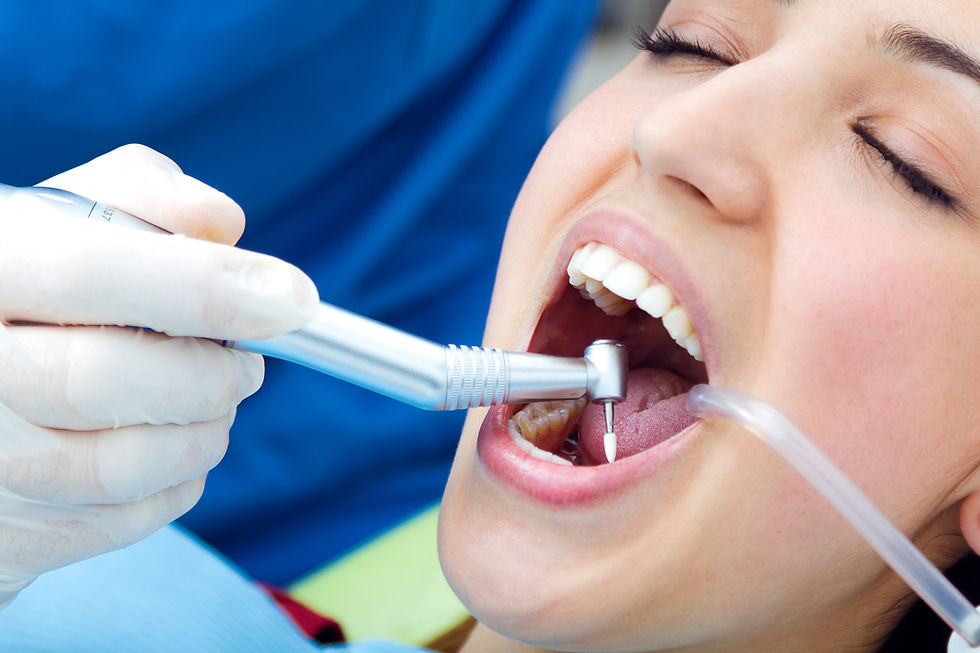
Cosmetic dental bonding is a minimally invasive procedure that uses a tooth colored composite resin to repair minor imperfections. The resin is shaped directly onto the tooth, hardened with a curing light, and polished for a natural finish.
It is commonly used to correct:
Small chips or cracks
Minor gaps
Slightly uneven edges
Localized discoloration
Small areas of wear
Bonding typically requires little to no enamel removal. Many patients searching for dental bonding near me appreciate that it can often be completed in a single visit at a dentist in Phoenix AZ.
What Are Veneers?
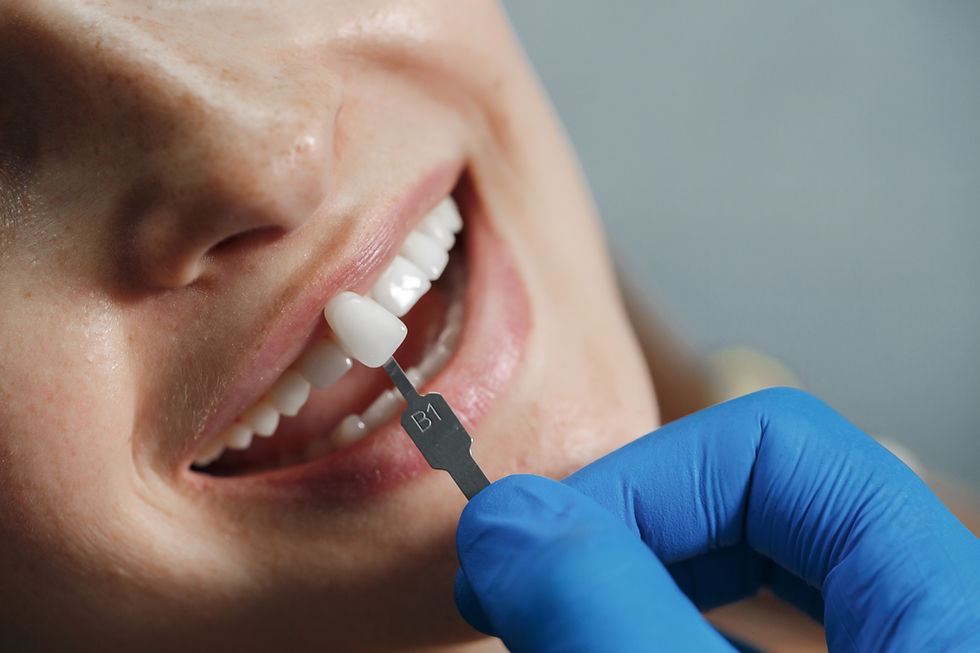
Veneers are thin shells, usually made of porcelain, that are custom crafted to cover the front surface of teeth. Unlike bonding, veneers require some enamel reshaping to allow proper fit and alignment.
Veneers are often recommended for:
Severe discoloration that does not respond to whitening
Larger gaps between teeth
Noticeably uneven or misshapen teeth
Worn enamel
Comprehensive smile makeovers
Because veneers are custom fabricated in a lab, they typically require two or more appointments.
Key Differences Between Dental Bonding and Veneers
1. Longevity
Dental bonding: Usually lasts three to ten years
Veneers: Often last ten to fifteen years or longer
Porcelain veneers are more stain resistant and durable than composite resin bonding.
2. Cost
Bonding is generally more affordable upfront
Veneers require a higher initial investment
Patients working with a family dentist Phoenix AZ residents trust often discuss both short term and long term cost considerations.
3. Tooth Preparation
Bonding preserves most of the natural enamel
Veneers require controlled enamel reshaping
Because enamel does not grow back, veneers are considered an irreversible procedure.
4. Aesthetic Impact
Bonding works well for small localized improvements
Veneers can transform the entire smile
If you are looking for dramatic whitening and reshaping, veneers may offer more uniform results.
When Is Dental Bonding the Better Choice?
Cosmetic dental bonding may be right for you if:
You have one or two small chips
You want a fast solution in one visit
You prefer a conservative approach
You are not ready to commit to enamel reshaping
You want a more budget friendly cosmetic option
Many patients seeking dental bonding Phoenix AZ providers offer are looking for subtle
improvements rather than full smile redesigns.
When Are Veneers the Better Option?
Veneers may be ideal if:
You want a complete smile makeover
You have multiple teeth with discoloration
You desire long term stain resistance
Your teeth have significant shape irregularities
You want uniform brightness across several teeth
A consultation with the best dentist in Phoenix AZ for your needs can clarify whether veneers align with your expectations.
Durability and Maintenance
Both treatments require proper care.
To maintain results:
Brush twice daily with a non abrasive toothpaste
Floss daily
Avoid biting hard objects
Wear a night guard if you grind your teeth
Attend regular checkups with your dentist in Phoenix
If bonding chips due to trauma, an emergency dentist in Phoenix AZ can often repair it quickly. Veneers can also chip, but repair may require replacement depending on severity.
Which Option Looks More Natural?
Both bonding and veneers can look extremely natural when performed by an experienced provider. The outcome depends heavily on:
Shade selection
Tooth shaping
Bite alignment
Polishing technique
Practices such as Phoenix Family Dental or AZ Family Dental Phoenix clinics often emphasize individualized smile design rather than one size fits all treatment.
Key Takeaways
Cosmetic dental bonding is ideal for small corrections and conservative treatment
Veneers are better for dramatic, long lasting smile transformations
Bonding is less invasive and more affordable initially
Veneers offer greater stain resistance and durability
The right choice depends on your goals, enamel condition, and budget
A consultation with a family dental care Phoenix provider ensures personalized guidance
Frequently Asked Questions
Is bonding reversible?
In most cases, yes. Because minimal enamel is removed, bonding can often be modified or replaced.
Are veneers permanent?
Veneers are considered irreversible because enamel must be reshaped to place them.
Do both options stain?
Bonding can stain over time. Porcelain veneers are more stain resistant but still require good hygiene.
Which procedure takes longer?
Bonding can often be completed in one visit. Veneers typically require at least two appointments.
Final Thoughts
Dental bonding and veneers both improve smiles, but they serve different purposes. Bonding offers a conservative, efficient solution for minor imperfections. Veneers provide a comprehensive aesthetic upgrade with greater durability.
The most reliable way to decide is through a detailed evaluation with a dentist in Phoenix AZ who understands both cosmetic and functional dentistry. A personalized consultation ensures that your treatment aligns with your goals, lifestyle, and long term oral health.


Comments